



News and blogs

The US utilities are facing a defining paradox: the urgent need to modernize their infrastructure while maintaining reliability and affordability for customers. On the one hand, aging infrastructure, increasing power demands, and evolving climate pressures demand unprecedented investment. On the other, regulators, policymakers, and the public are pushing back against rising energy costs. This tension has become a key challenge for utilities to navigate.
Much of the US grid was built decades ago and was designed for a very different energy landscape. Today, utilities must contend with:
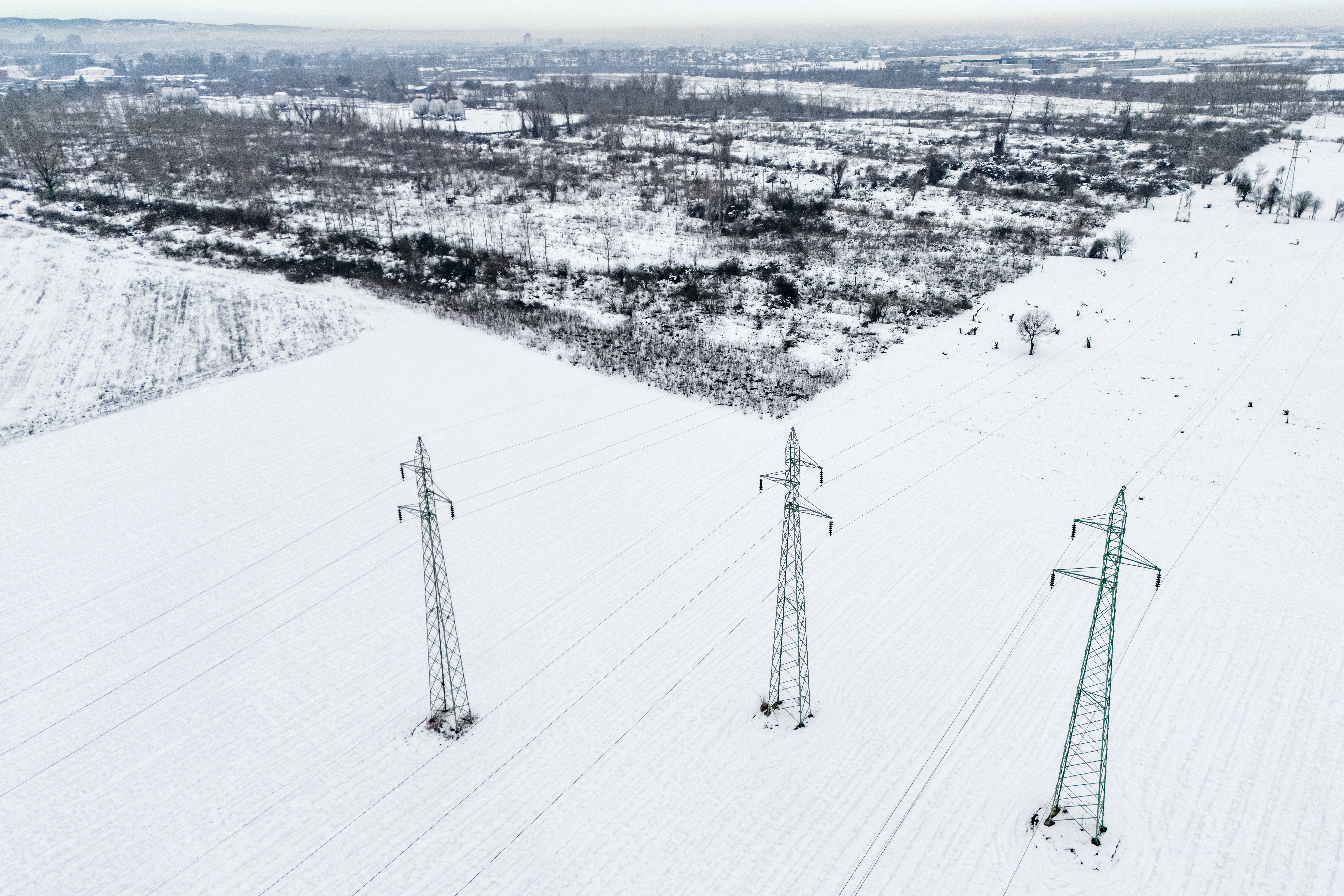
Over the next decades, grid modernization will become a necessity for utilities. Investments in modern, resilient grid assets, additional in-built network redundancy, plus new more advanced metering infrastructure (AMI) and distributed energy resource (DER) integration are critical steps to ensuring reliability and sustainability in the long term.
However, these upgrades come with both a steep price tag, and inevitable interruptions to services. Estimates suggest hundreds of billions of dollars will be needed over the coming decades to improve the grid to meet modern expectations.
Utilities traditionally recover costs through regulated rate structures, earning returns on capital investments. This model incentivizes infrastructure spending but assumes that costs can be passed on to customers. In today’s environment, that assumption is increasingly under strain.
While modernization is necessary, affordability remains a core mandate for utilities and regulators alike. Increases in service rates can have serious economic and political consequences and place an additional burden on low- and middle-income households.
Energy poverty is already a growing concern in many regions due to rising utility bills, placing particular scrutiny on utilities to come up with solutions.
Utilities are caught in a dilemma: invest too slowly and risk reliability issues; invest too aggressively, and face backlash over affordability and service interruptions.
One often overlooked lever in this equation is the role of emerging technologies like unmanned aircraft system (UAS) inspections and aerial data management systems.
By enabling faster, safer, and more cost-effective inspections, UAS inspections of utilities assets can significantly reduce operational expenses while improving asset visibility. With a highly detailed 360 visual inspection of an asset, engineers can make a much better decision on the real-world condition of an asset.
As well as delivering highly accurate and rapid insights to aid in the identification of critical defects, UAS inspections also enable better condition assessments to inform proper repair or replacement plans. Importantly, these inspections can also identify where repairs and replacements do not need to be made. In one test, a US utility company found that 76% of distribution poles marked for replacement based on ground inspections did not need to be replaced once inspected by UAS. Extrapolated across numerous lines and areas this would equate to a saving in the millions of dollars.
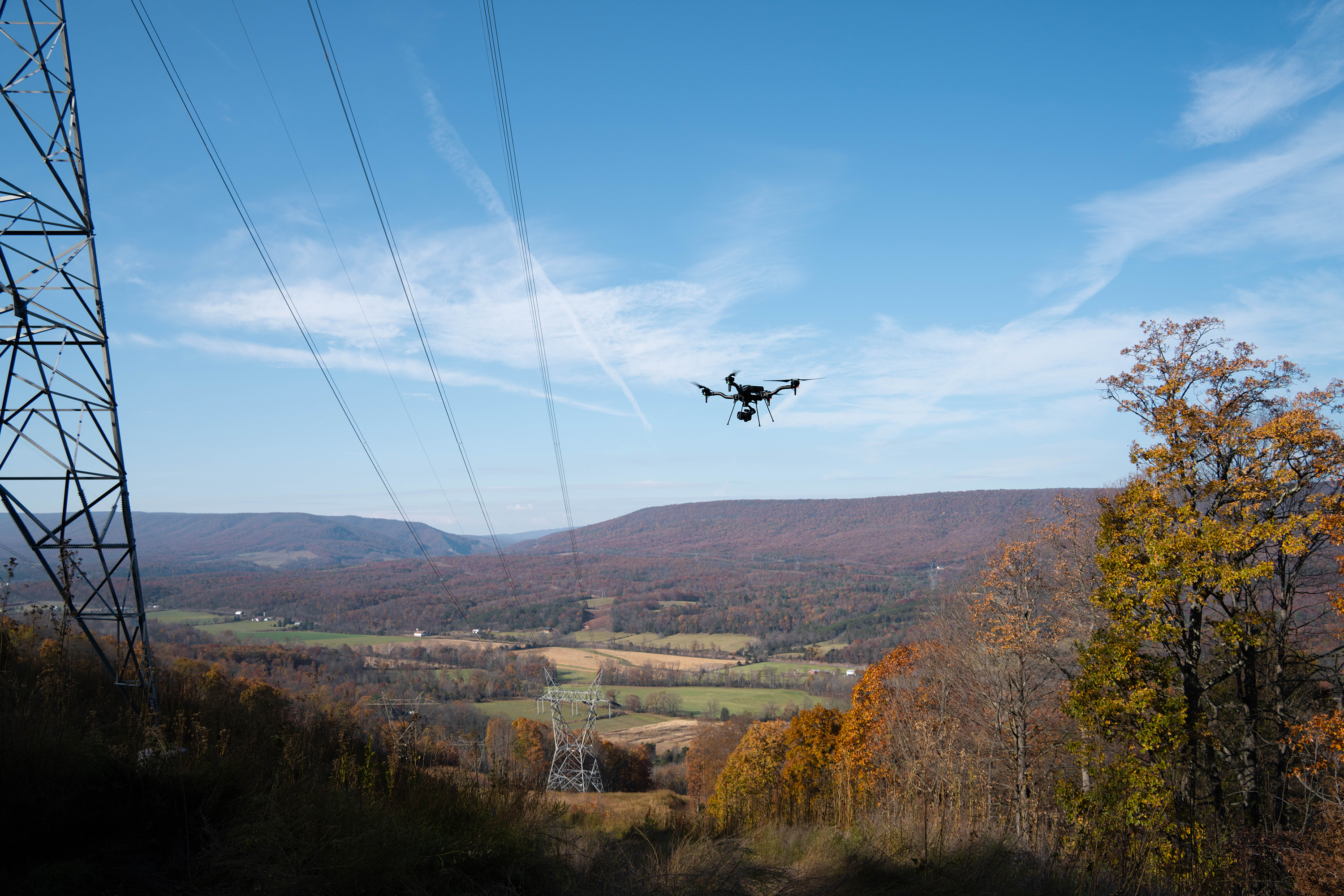
Aerial data management systems, such as iHawk, empower much faster decision-making on inspection data. iHawk provides an intuitive and powerful platform to organize, manage and inspect your asset imagery, allowing users to detect issues early, prioritize maintenance, and track asset health over time. With iHawk, utilities are making the move away from reactive maintenance and towards proactive maintenance, based on building a deeper understand of asset health across their entire network.
The U.S. utilities sector is heading into an undoubtedly turbulent time. The need to modernize is undeniable, but so too is the demand to keep services affordable. Utilities that succeed will be those that embrace new technologies that empower them to invest smarter, operate more efficiently, and deliver value to customers without compromising the future of the grid.
To find out more about our solutions built for utilities, head to our Power Grid and Utilities page.