

News and blogs

In industrial environments, time is more than just money; it represents capacity, output, and often safety. Whether overseeing a refinery, offshore platform, or power station, unexpected downtime can lead to significant losses both in production and in the resources spent diagnosing and resolving issues. This is where drones are transforming the landscape.
By facilitating fast, safe, and detailed inspections of hard-to-reach infrastructure, drones help minimize unplanned downtime and, in many cases, eliminate the need for it altogether.
Historically, many industrial inspections have been reactive. When a component fails, a shutdown occurs, prompting teams to identify the fault. Even planned maintenance can come with delays, especially when inspections require scaffolding, rope access, or other safety measures that slow operations and reduce output.
Drones change this dynamic. By allowing inspections to occur while assets remain operational, drones turn inspections into a proactive and routine part of operations. Cyberhawk™ teams can detect early signs of corrosion, cracking, or structural degradation before they escalate into urgent problems, all without taking systems offline.

One of the most immediate benefits of drone inspections is their speed. Tasks that might take days to complete manually, especially in confined spaces or at heights, can often be accomplished in just a few hours with a Cyberhawk drone services team. However, speed is not the only advantage.
Modern drones are equipped with advanced payloads that capture high-resolution images, thermal data, LiDAR scans, and even gas concentration and makeup. When this data is integrated into asset management systems or digital twins, operators gain a detailed, time-stamped view of asset conditions. This leads to more informed decision-making and reduces the risk of unexpected failures.
A significant advantage of drones is their ability to inspect assets without interrupting operations. For instance, instead of shutting down a flare stack to erect scaffolding and send an inspection team, a drone can safely scan the stack while it remains operational. In confined spaces like boilers or pressure vessels, internal drones can navigate and capture footage without putting personnel at risk or halting production.
This capability not only saves time but also enhances safety and efficiency across the board.
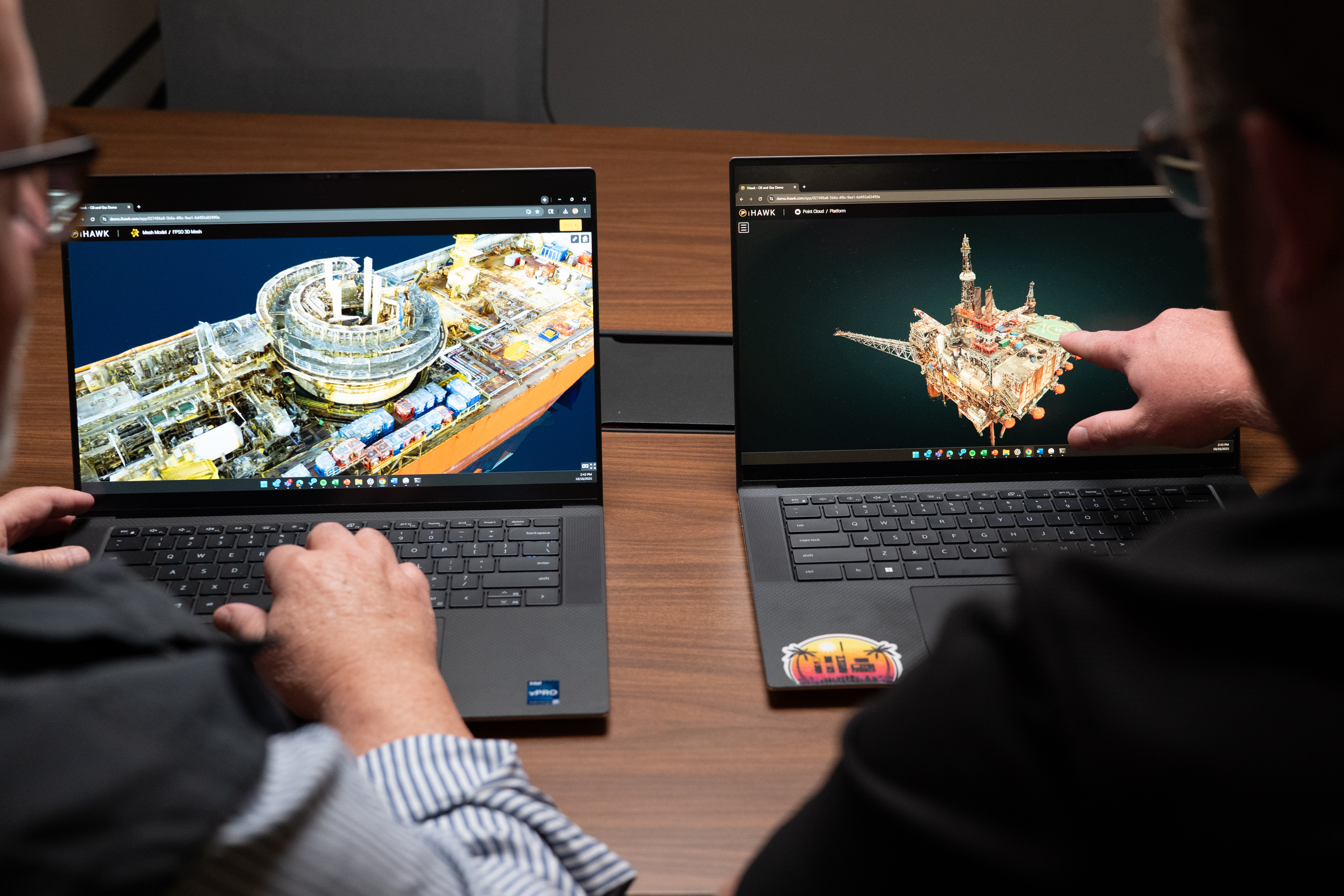
The long-term value of drones extends beyond individual inspections. When used regularly, drone-collected data creates a historical record of asset conditions that can be tracked over time. This allows maintenance to shift from reactive to predictive, identifying wear and degradation patterns before they become critical.
Such a transition fosters a more resilient and efficient operation, where downtime is planned and managed rather than sudden and disruptive.
Reducing downtime isn’t solely about working faster; it’s about working smarter. Drones enable inspections that are quicker, safer, and richer in data than traditional methods. For industrial operators looking to maintain system functionality, mitigate risks, and stay ahead of potential failures, drones are no longer an experimental technology; they are becoming an essential component of modern operational strategy.