
News and blogs

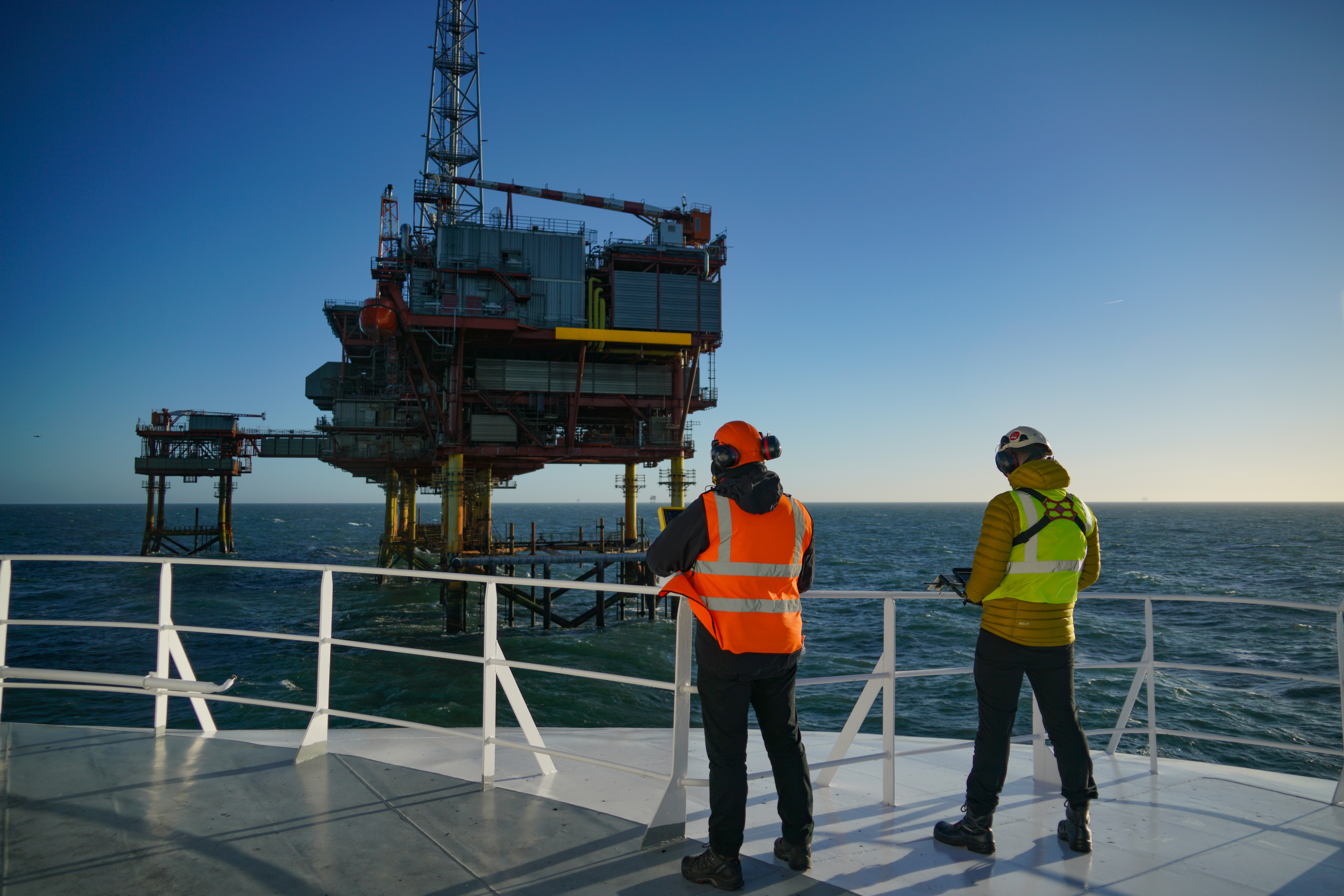
When a North Sea platform needs its underdeck inspected, traditional methods can mean weeks of scaffolding, hundreds of thousands in costs, and personnel working in confined, high-risk areas. But what if the same inspection could be completed in a single day – with better visibility and no exposure to harm?
Unmanned Aerial Systems (UAS) are making this shift possible. From flare tips to oil tanks, UAS inspections are helping oil and gas operators reduce risk, improve inspection quality and minimize disruption, without unnecessary shutdowns or deploying people into hazardous environments.
Inspection work has long been one of the highest-risk activities in oil and gas. Rope access to flare stacks, confined space entry into pressure vessels and close visual checks near live process equipment all expose personnel to significant hazards, often with long planning cycles, complex permit requirements and inherent safety trade-offs.
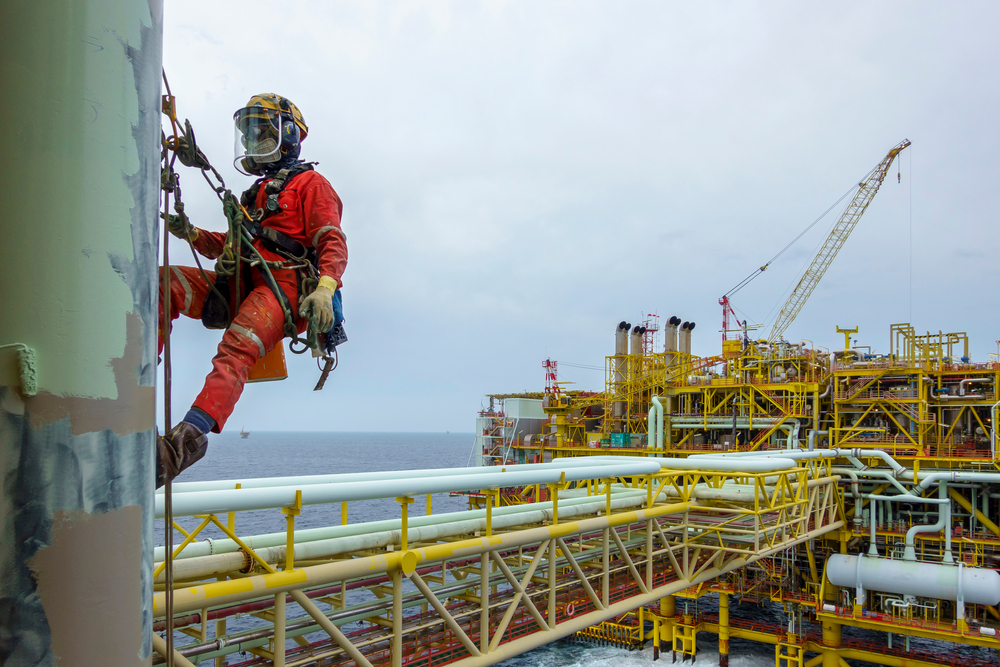
Drones remove the need for physical access in many of these scenarios. Certified pilots can capture high-resolution visuals from a safe distance, while assets remain online and operational. Flare tips, risers, underdecks, tank roofs and pipe racks can all be inspected remotely, reducing the number of people working at height or in confined spaces, and helping operators improve both safety performance and workforce planning.
Traditional inspections often tie safety assessments to equipment isolation windows, – not because it’s optimal, but because it’s the only time they can be done safely. That means critical asset checks get pushed to turnaround periods or skipped entirely due to competing priorities.
But every planned shutdown carries a price, and unplanned ones even more so. Downtime during peak production can cost millions of dollars per day. Undetected issues between intervals can escalate into outages, with total impacts in the tens of millions once repairs, lost output and reputational costs are factored in.
UAS inspections enable a different approach, including live flare stack inspections, underdeck inspections without rope teams, and pipeline assessments without mobilizing ground crews. By removing the need for scaffolding, rope teams or shutdowns, operators gain the ability to inspect more often, at lower cost and with less disruption, catching emerging issues before they become failures.
Modern drone inspection platforms carry advanced payloads that combine several inspection tools into a single operation. Thermal imaging can detect overheating or insulation loss. Optical gas imaging can identify methane leaks. High-resolution zoom cameras reveal cracks, corrosion or other surface degradation, even in hard-to-reach locations.
This multi-sensor capability allows teams to gather high-fidelity data on multiple failure modes in one pass, without repeating the inspection using different methods. The result is more complete insight into asset condition, faster diagnosis and better prioritization of maintenance activities.

Inspection data isn’t just for maintenance as it also plays a critical role in compliance. UAS-collected visuals can support certification requirements for industry standards such as API 510 (pressure vessels), API 653 (storage tanks), and API 570 (piping systems). They also help meet environmental obligations such as the EPA’s Leak Detection and Repair (LiDAR) regulations by enabling regular, documented monitoring of leak-prone equipment.
Because UAS inspections generate time-stamped, high-resolution digital records, they create an auditable trail that supports regulatory reporting and helps prove due diligence if issues arise later. For operators under increasing scrutiny from both regulators and stakeholders, that level of documentation adds measurable value.
The benefits of UAS inspections are already being realized across the full oil and gas value chain:
Beyond inspection quality, the technology is transforming data management. Rather than fragmented, site-specific reports, operators gain structured, consistent datasets that can be integrated into digital asset management platforms. Teams can track degradation trends over time, compare asset condition across regions and make decisions based on actual asset state rather than fixed schedules.
While drones might seem like a plug-and-play solution, deploying them safely and effectively in oil and gas environments requires far more than buying hardware.
Operators need aviation-grade platforms, pilot training, flight permissions, sensor integration and risk management frameworks. They also need expertise in navigating airspace constraints, EX-zones and electromagnetic interference, and flying in GPS-denied environments like enclosed vessels or congested modules.
Mishandled inspections don’t just affect data quality – they carry safety risks, legal liabilities and potential asset damage. In high-consequence settings, reliability and competence matter more than ever.
Leading operators choose to partner with a proven specialist. Cyberhawk™ has pioneered drone-based industrial inspections since 2008 and has deep experience across upstream, midstream and downstream environments.
Our Level 4-certified pilots complete a minimum of 18 months and 500 hours of training before deployment to offshore assets. This competency framework, audited and approved by global operators, ensures consistently high performance in the field. We manage all aviation, regulatory and safety compliance, and provide access to the latest sensor payloads, removing the need for capital investment or internal capability-building.
Our five-year, multi-million dollar global contract with Shell covering onshore, offshore and subsea assets reflects the confidence supermajors place in our ability to deliver safe, efficient inspection intelligence at scale through our visual data management platform, iHawk™.
Drone technology is established, the benefits are measurable, and its applications are proven across every stage of oil and gas operations.
UAS inspections allow operators to reduce risk, maintain production and make better-informed maintenance decisions, without waiting for shutdown windows or putting personnel in harm’s way.
And in the oil and gas industry, where every unplanned outage carries a steep price, the real risk isn't adopting new inspection technology: it's not adopting it soon enough.
Ready to reduce risk, cut inspection costs and improve asset visibility? Explore how we support oil and gas operators globally.