
News and blogs

In the complex and diverse world of aerial inspections and surveys there is no one-size-fits-all choice of drone, or ‘unmanned aerial system’ (UAS).
A drone suited to confined-space inspections, for example, such as inside oil tanks or chimney stacks, clearly won’t be the optimal solution for long-range LiDAR surveys. With real-world outcomes hanging in the balance, choosing the right drone for the job can mean the difference between headaches and headway.
Determining the optimal drone for a particular project scope requires a deep understanding of specific customer challenges and project data requirements, and ready access to a range of highly capable and specialized drone systems.
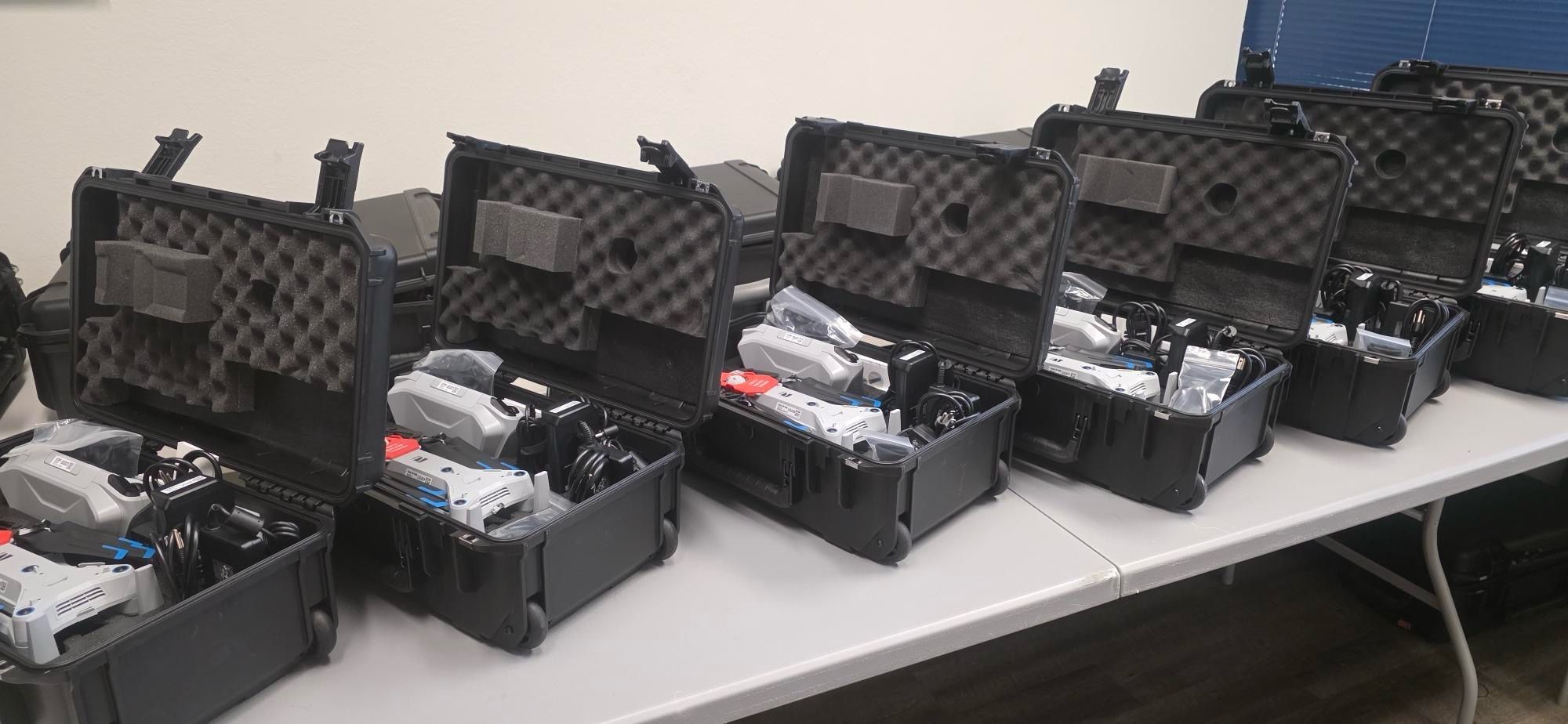
At Cyberhawk, we have a constantly growing fleet of over 230 drones, each tailored to specific use cases and operational environments. Our industry expertise means we match the right equipment to every scenario – optimizing inspection quality and efficiency, while meeting evolving compliance standards.
We are also continually testing and integrating new drones, validating both data quality and compatibility at every stage, so our customers can be confident that no matter how the technology evolves, the insights they rely on remain accurate, auditable and actionable.
In considering a drone for operational deployment, we assess four core criteria: operational capability, payload compatibility, regulatory compliance and fleet scalability.
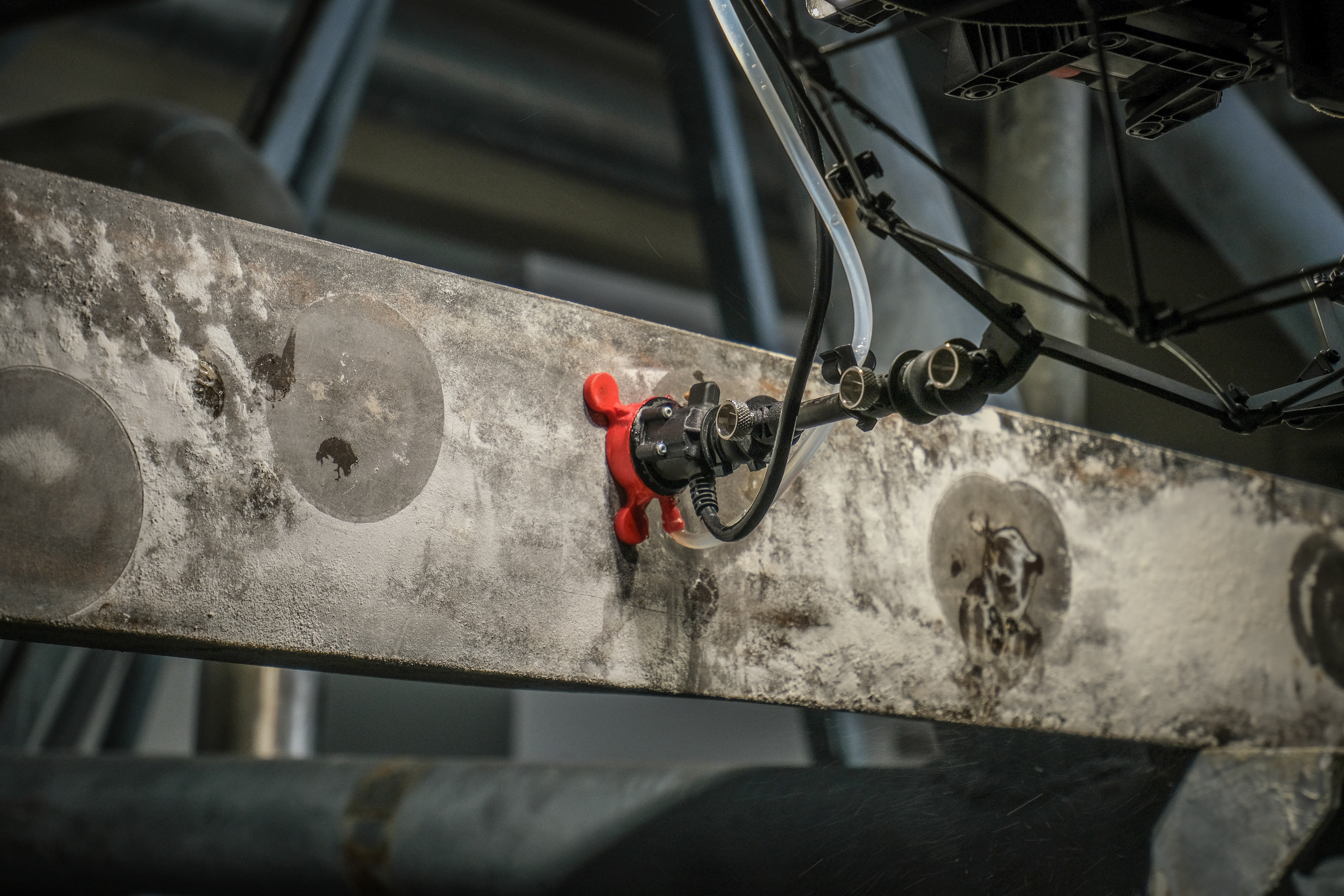
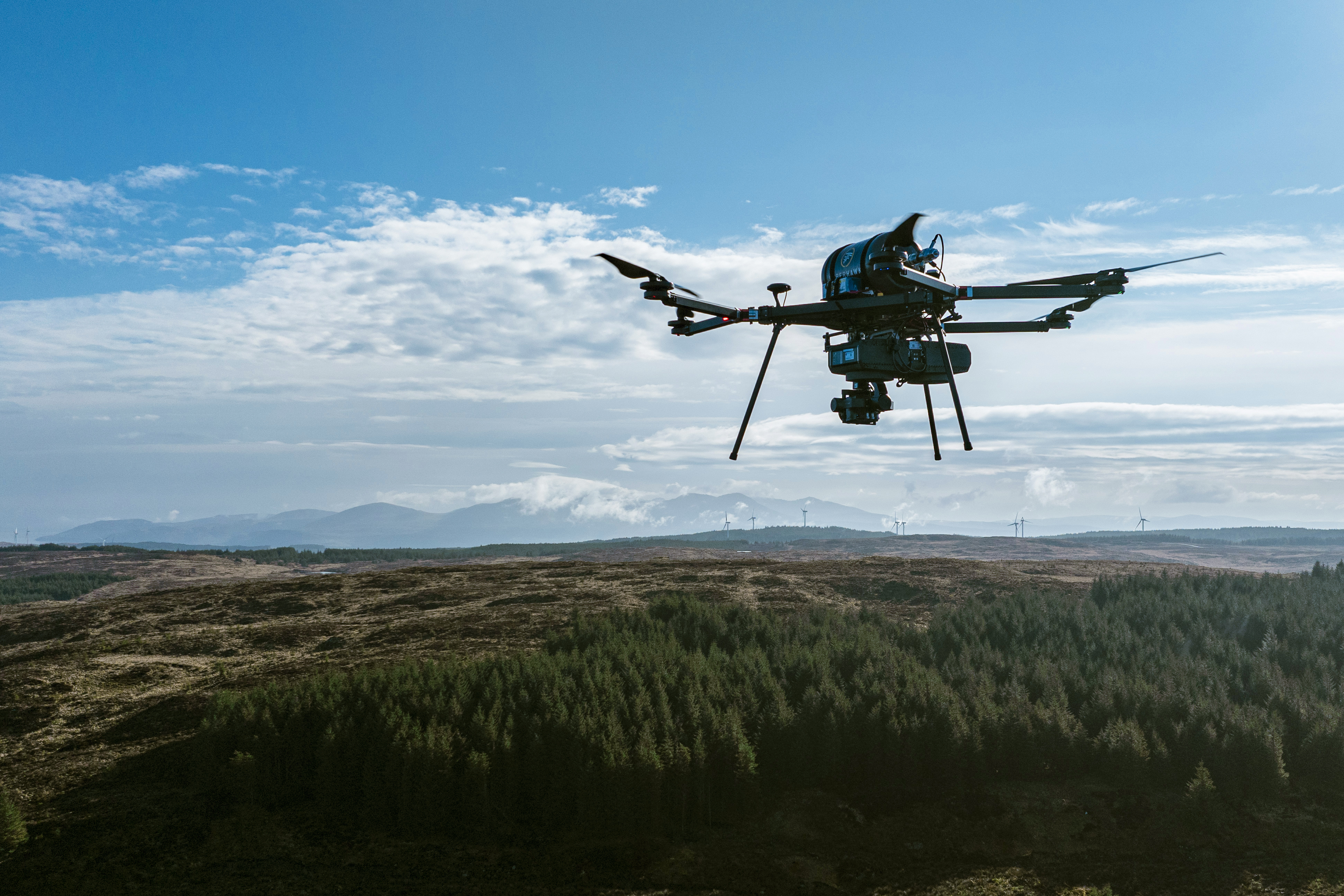
The most important quality of any drone is its ability to perform reliably and repeatably in a specific operational environment. Factors such as shape, size, flight dynamics and endurance, play a major role in determining suitability. For example, compact, highly maneuverable drones are suited to confined-spaces, while larger multirotor or fixed-wing systems are better suited to long-range or wide-area operations.
Built-in features such as obstacle avoidance, stabilization, GPS and advanced automation can further enhance safety and repeatability in complex asset environments.
A drone’s resilience to environmental conditions, including wind, temperature extremes, dust, rain and electromagnetic interference, determines whether it can operate reliably in challenging terrain or industrial settings. Ensuring a drone can endure these conditions is fundamental to delivering safe, high-quality aerial data at scale.
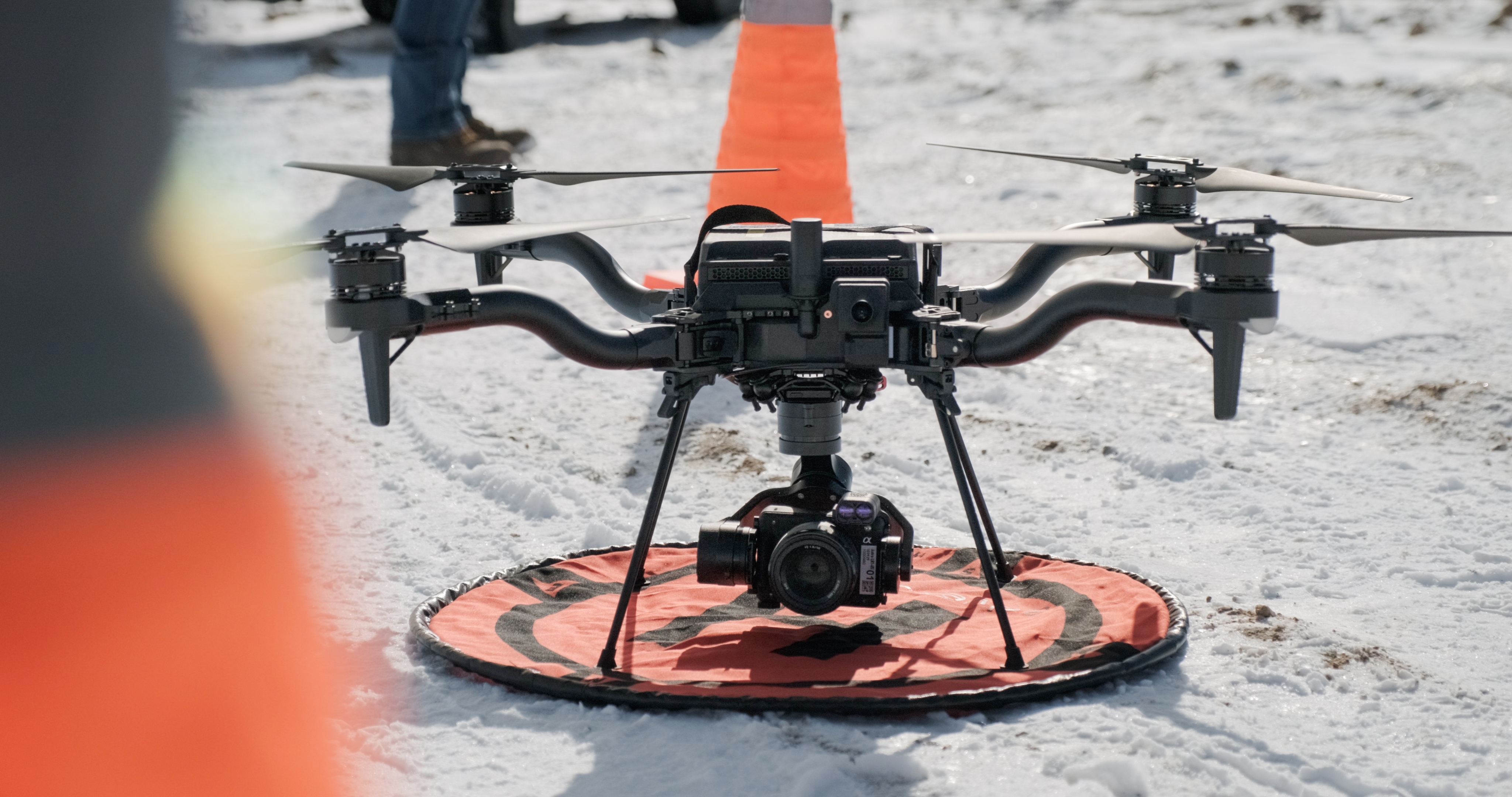
The payload determines the type of data captured, the quality of that data, and plays a big role in the speed and efficiency of the inspection or survey. It’s so important in fact, that in deciding on the equipment for a given operation, often the best approach is to start by choosing the best payload and work backwards to pick the most suitable drone that can carry the chosen payload.
In assessing the performance and suitability of a drone, we consider its capacity to integrate with a wide range of payloads; the more combinations available, the more accurately we can match the drone and payload to the operational requirements.
Each country that Cyberhawk operates in comes with its own set of rules and regulations, some of which restrict the use of certain drones or drone manufacturers.
For example, each year the United States Congress approves a National Defense Authorization Act (NDAA), setting out changes to guidance on national defense policies and spending. Since 2020, the NDAA has restricted use of UASs with parts manufactured in foreign entities identified as national security risks to the United States.
Consequently, many US organizations with critical infrastructure have been working to phase out drones that do not meet NDAA compliance requirements by the end of 2025 – aligning aerial inspection practices with federal cybersecurity, sourcing and risk mitigation strategies.
It is of critical importance to be aware of how such regulatory restrictions apply to certain drones and parts manufacturers. At Cyberhawk, our diverse and continually expanding fleet and aviation expertise allows us to offer fully NDAA-compliant inspection and survey programs, meaning we can deliver the same solutions and the same value to customers with more sensitive assets or more stringent requirements.
Regulation does not end with the drone and the components in it. When investing in a drone system, Cyberhawk considers how easily the aircraft will integrate into our aviation permissions from the various national aviation authorities we work with, such as the FAA and CAA. Cyberhawk holds special permissions that allow us to operate beyond the usual scope of other drone operators, so it vitally important that the drones we deploy uphold the correct standards of safety and compliance.
Given the extent and wide geography of our project scopes, we must be confident that a drone can be successfully deployed at scale. This includes the availability to be purchased in large numbers, durability in often challenging environments, together with the ease of repairs and availability of spare parts. Keeping drones in active service reduces operating costs and results in better value that can be passed on to customers.
Additionally, the ease of use of a particular drone, particularly the control interface, has implications for both training times and inspection efficiency and is therefore another important consideration for deployment at scale.
With operations in more than 40 countries and more than half a million inspections completed, we’re uniquely positioned to not only optimize our projects with the most cutting-edge technology, but also to influence the future of drone innovation.
Our relationships with suppliers are built on mutual value:
This collaborative model means we're not just keeping pace with the shifting landscape – we're helping to drive it.
Contact our team to learn more about our aerial inspection services and how we're redefining asset intelligence for a changing world.